Geology of Iceland Lava Tunnels – Basalt, Flows, Skylights
A plain‑language explainer of lava tube formation and features you’ll observe inside Raufarhólshellir.
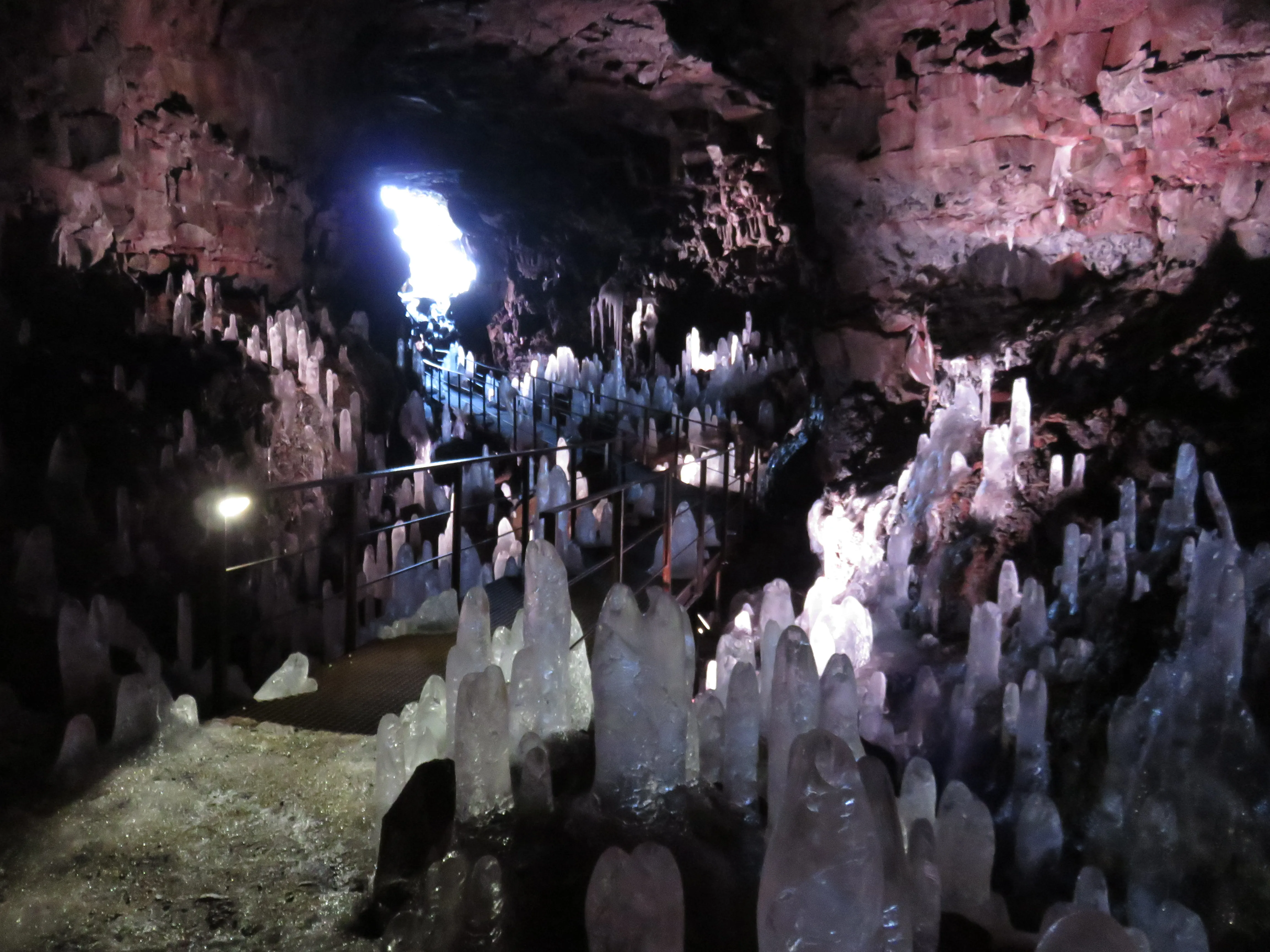
Geology Deep Dive
Walking the Lava Tunnel is walking the inside of a once‑molten river. Here’s how it formed and why its textures look the way they do.
Formation Basics
- A basaltic eruption sends a river of lava downhill.
- The surface cools first, forming an insulating crust.
- Liquid lava keeps flowing beneath, carving a hollow tube.
- As the eruption wanes, the flow drains, leaving a tunnel.
Analogy: Think of a crusted chocolate river with liquid inside — once the tap closes, you’re left with a hollow pipe.
Features to Spot
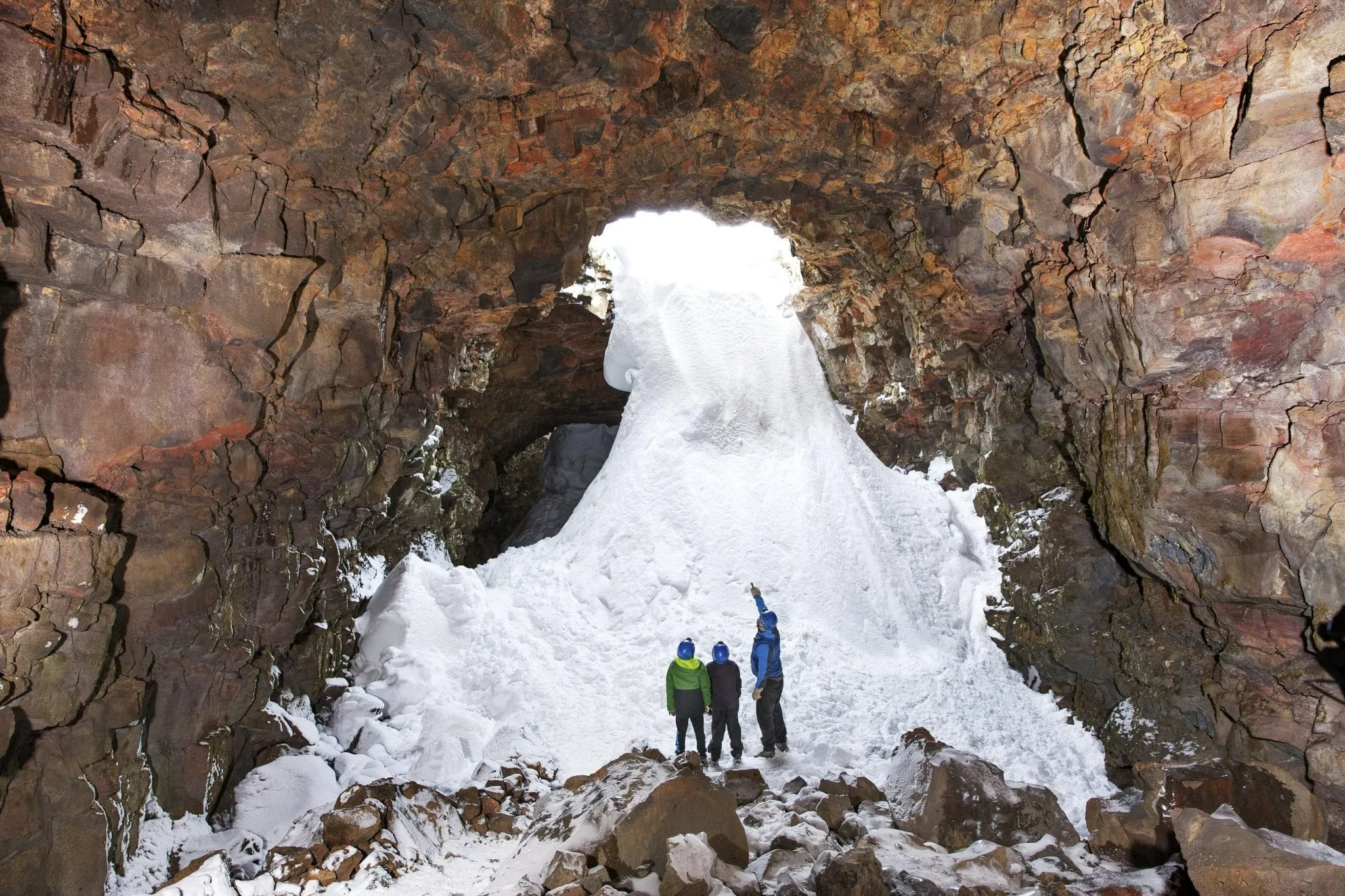
- Skylights: Roof collapses expose the tunnel and let in light.
- Mineral Colors: Iron, manganese, and oxidation paint reds, blacks, and greens.
- Drip Features: Frozen splashes and crusty stalactite‑like shapes (not limestone).
- Flow Lines: Ribbing that records the speed and direction of lava.
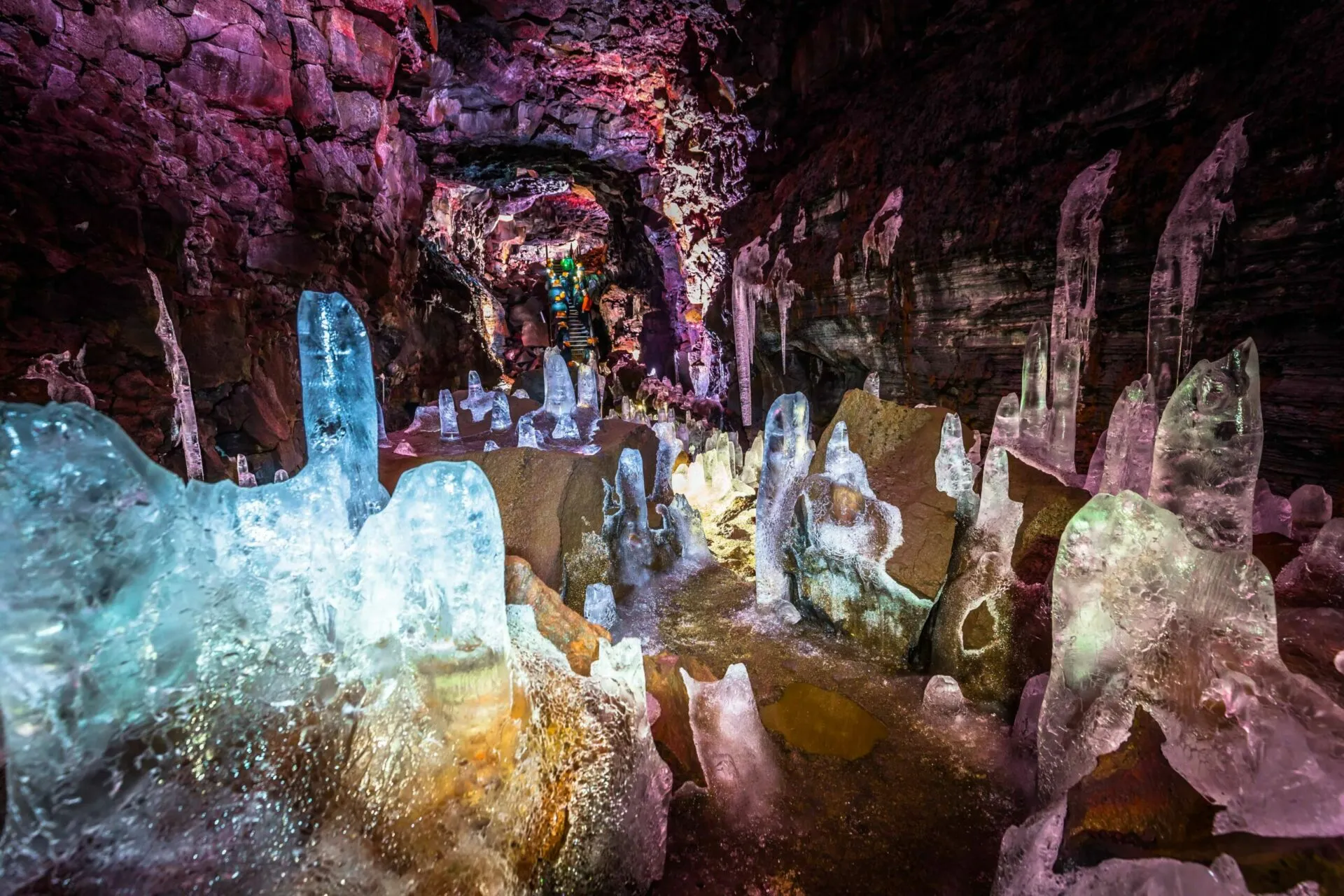
Seasonal Ice Sculptures
In winter, cold air drops through skylights, building ice curtains and bulbous forms. These are temporary — marvel, don’t touch.
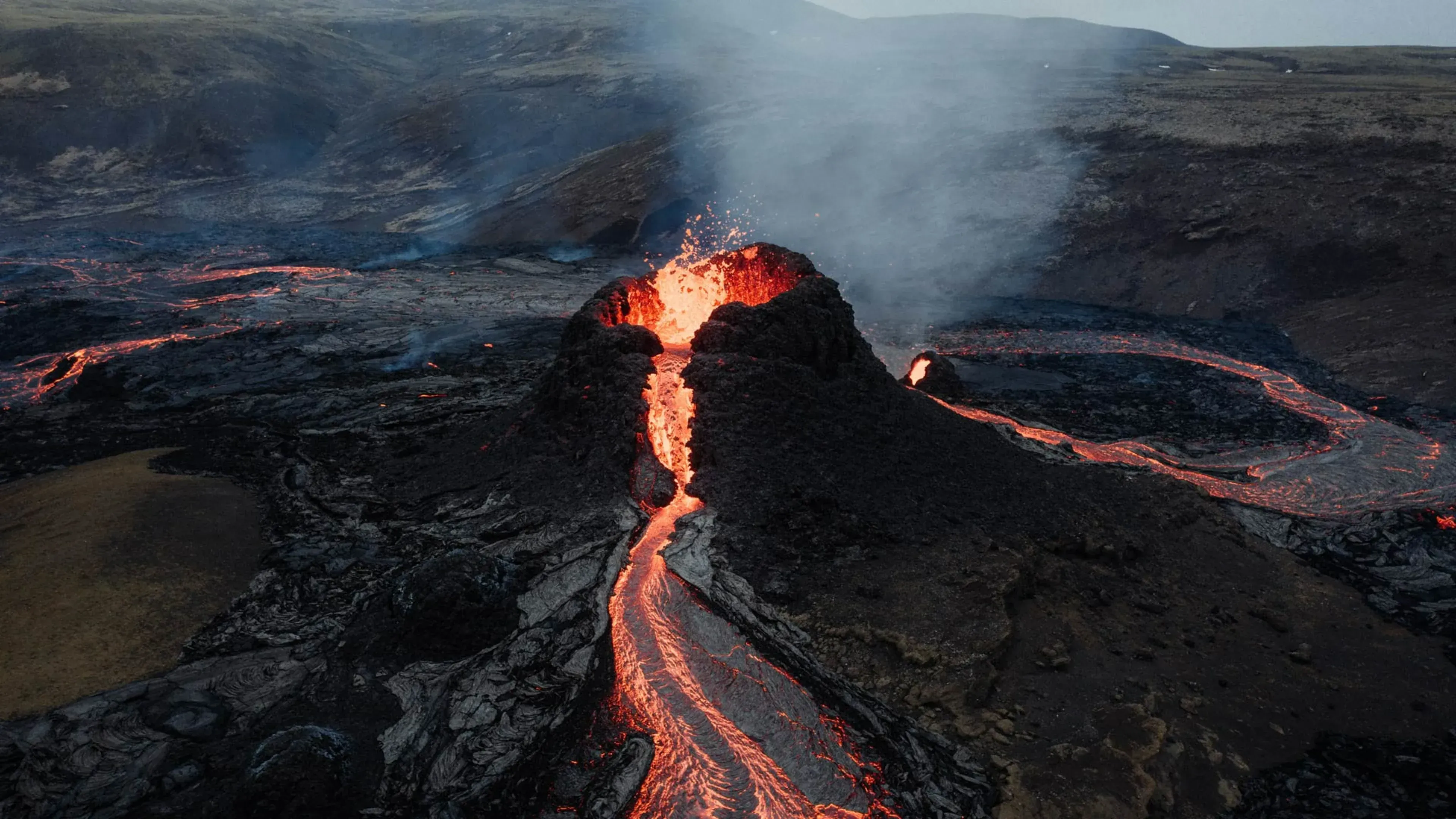
Eruption Context
Lava tubes like Raufarhólshellir are common in basaltic volcanic fields near Reykjavík. Historic eruptions show similar flow behavior across the peninsula.
Field note: Bring a small notebook and sketch flow lines — you’ll start to “read” the rock like a river’s diary.
About the Author

Iceland Travel Expert
I put this guide together to make your Lava Tunnel day simple, insightful, and full of practical tips from the road.
Tags
Comments (0)
Loading comments...